Overview

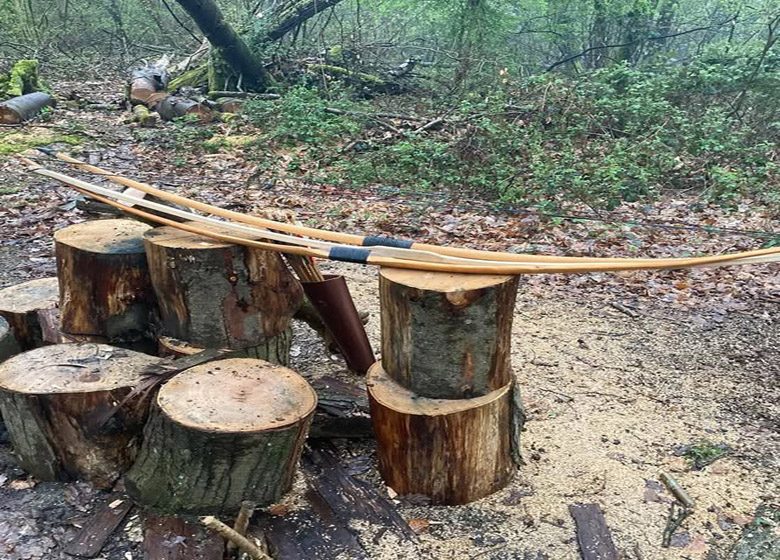
This course has been several years in the planning and provides a unique platform to explore the craft, history, and heritage of wooden bow making. Focusing on longbows, it traces designs from the earliest bows of Europe’s Mesolithic hunter-gatherers, through the powerful weapons of medieval warfare, to the rediscovered techniques and materials used by modern bowyers.

Students will not only learn the practical skills of construction but also gain a deeper appreciation of the role wooden bows have played in shaping life and culture across north-west Europe. Over the duration of the programme, participants will create several longbows of different designs and specifications, developing both technical ability and an understanding of archery heritage.

To complete the qualification, students must attend a minimum of five workshops and one final assessment. This can be achieved flexibly over a 24-month period, with the training delivered in three-day blocks to allow time for practice and consolidation between sessions. Some project work will also be required at home, and each participant will need a set of hand tools to continue their work outside the workshops.

Course Content

The programme guides students through every stage of bow making, beginning with the selection of suitable felled timber and the preparation of round wood for specific designs. Participants will construct a variety of longbows using different timbers, gaining experience in techniques that influence design, efficiency, and draw weight.

Attention is given to working with the natural character of wood, including knots, twists, lumps, and bumps, as well as the creation of specialist features such as arrow plates and horn nocks. Students will also learn methods for repairing bows and adapting designs to improve performance. By the end of the course, each participant will have produced a number of longbows and developed a comprehensive understanding of both the craft and its cultural significance.

Although not assessed, arrow making and string making will also be explored.

To make travel easier clients are welcome to arrive on the evening before each module starts

This programme requires the student to be living in the outdoors and managing themselves, the environment and the camp and resources. With this in mind you are also expected to help out around the site with tasks such as bringing in water, washing up and collecting firewood.

Fees

£2205 (Deposit £100)

Entry Requirements

We expect candidates seeking entry to this programme to have a good level of bushcraft experience which may be gained on our Advanced Bushcraft Award 

Location

Near Heathfield, East Sussex

Details

This programme is run under license by Phil Brooke with John Rhyder being responsible for the quality assurance. This is still a Woodcraft School course and the certification will still come via Woodcraft School and the NCFE. The main difference will be that the booking and financial arrangements will be made directly with Phil Brooke.

Phil is an excellent instructor who John has personally been training for this role for over many years. The programme is still a Woodcraft School course and if we didn’t think Phil capable of delivering a programme equal to what has gone before we would not grant the license. Any courses that Phil runs will be licensed to him exclusively so rest assured this isn’t a quality diluting franchise system. All of these programmes will therefore still be found on our Woodcraft School website alongside the ones John will lead.

Course Dates

This course in run under license on our behalf by Phil Brooke dates and further details are available at the link below.

Certification

The award level is set at level 4 by using national benchmarks. Successful candidates will receive the Certificate in Applied Bushcraft from the NCFE who we will be using to underscore the quality of this programme.

Levels

The level of our programmes implies the degree of work needed to be done by the student to achieve certification. Our awards are set at level 3 and 4 but this does not imply that levels below these benchmarks are needed prior to joining a course. Guidelines as to the complexity of the levels can be found here.

Assessment

Assessment takes several forms depending on the subject matter and will include observation, question and answer sessions, written papers, identification tests and assignments. The process is thorough and vigorous and designed to ensure you have full understanding of the subject areas. The assessments takes place at set times during the programme.

It is possible to take the training element of this course and not the assessment in which case a Certificate of Attendance is offered.

COURSE REVIEWS

Its been 2 years since my level 4 bushcraft programme with you and I have realised that I am still thinking about the course every day. Whether I’m recalling information, applying principles, making decisions through experiences gained, building on the thorough foundation you created or just fondly remembering things, some aspect of the level 4 programmes seems to crop up daily. Whilst I am not immersed in the woods as much as I would like, the content still seems alive and current to me.

Rob Crates

A really great mix of practical experience backed up by solid theory and self led learning. I always enjoy the challenge of assessment which I feel pushes students to really embed the learning enabling them to study a subject area in depth. I have come out of the course having learnt so much, but even more special than that is having had my eyes opened even more to the wonderful world of natural living and bushcraft inspiring me to go forward and continue to learn even more.

Rosemary Thomas

This course shifted the way I see the world around me, putting me more in touch with my environment that I used to walk blindly past. It gave me tremendous confidence and experience to teach bushcraft myself, and also the curiosity to extend further and learn more about all the many subjects we covered, from ancestral skills to craftwork and wildlife tracking.

Alex Dewitt

Bushcraft is a vast subject with many facets.  This course provided me with the perfect environment to hone known skills and learn new ones.  Phil is patient and will guide you in your learning, he will also push you to reach your potential.  Taking place from October to June you will experience all seasons and be provided with a comprehensive outdoor experience.

Stephen Fletcher

Traditional Bow Making Level 4

Overview

This course has been several years in the planning and provides a unique platform to explore the craft, history, and heritage of wooden bow making. Focusing on longbows, it traces designs from the earliest bows of Europe’s Mesolithic hunter-gatherers, through the powerful weapons of medieval warfare, to the rediscovered techniques and materials used by modern bowyers.

Students will not only learn the practical skills of construction but also gain a deeper appreciation of the role wooden bows have played in shaping life and culture across north-west Europe. Over the duration of the programme, participants will create several longbows of different designs and specifications, developing both technical ability and an understanding of archery heritage.

To complete the qualification, students must attend a minimum of five workshops and one final assessment. This can be achieved flexibly over a 24-month period, with the training delivered in three-day blocks to allow time for practice and consolidation between sessions. Some project work will also be required at home, and each participant will need a set of hand tools to continue their work outside the workshops.

Course Content

The programme guides students through every stage of bow making, beginning with the selection of suitable felled timber and the preparation of round wood for specific designs. Participants will construct a variety of longbows using different timbers, gaining experience in techniques that influence design, efficiency, and draw weight.

Attention is given to working with the natural character of wood, including knots, twists, lumps, and bumps, as well as the creation of specialist features such as arrow plates and horn nocks. Students will also learn methods for repairing bows and adapting designs to improve performance. By the end of the course, each participant will have produced a number of longbows and developed a comprehensive understanding of both the craft and its cultural significance.

Although not assessed, arrow making and string making will also be explored.

To make travel easier clients are welcome to arrive on the evening before each module starts

This programme requires the student to be living in the outdoors and managing themselves, the environment and the camp and resources. With this in mind you are also expected to help out around the site with tasks such as bringing in water, washing up and collecting firewood.

Fees

£2205 (Deposit £100)

Entry Requirements

We expect candidates seeking entry to this programme to have a good level of bushcraft experience which may be gained on our Advanced Bushcraft Award 

Location

Near Heathfield, East Sussex

Details

This programme is run under license by Phil Brooke with John Rhyder being responsible for the quality assurance. This is still a Woodcraft School course and the certification will still come via Woodcraft School and the NCFE. The main difference will be that the booking and financial arrangements will be made directly with Phil Brooke.

Phil is an excellent instructor who John has personally been training for this role for over many years. The programme is still a Woodcraft School course and if we didn’t think Phil capable of delivering a programme equal to what has gone before we would not grant the license. Any courses that Phil runs will be licensed to him exclusively so rest assured this isn’t a quality diluting franchise system. All of these programmes will therefore still be found on our Woodcraft School website alongside the ones John will lead.

Course Dates

This course in run under license on our behalf by Phil Brooke dates and further details are available at the link below.

Certification

The award level is set at level 4 by using national benchmarks. Successful candidates will receive the Certificate in Applied Bushcraft from the NCFE who we will be using to underscore the quality of this programme.

Levels

The level of our programmes implies the degree of work needed to be done by the student to achieve certification. Our awards are set at level 3 and 4 but this does not imply that levels below these benchmarks are needed prior to joining a course. Guidelines as to the complexity of the levels can be found here.

Assessment

Assessment takes several forms depending on the subject matter and will include observation, question and answer sessions, written papers, identification tests and assignments. The process is thorough and vigorous and designed to ensure you have full understanding of the subject areas. The assessments takes place at set times during the programme.

It is possible to take the training element of this course and not the assessment in which case a Certificate of Attendance is offered.

COURSE REVIEWS

Its been 2 years since my level 4 bushcraft programme with you and I have realised that I am still thinking about the course every day. Whether I’m recalling information, applying principles, making decisions through experiences gained, building on the thorough foundation you created or just fondly remembering things, some aspect of the level 4 programmes seems to crop up daily. Whilst I am not immersed in the woods as much as I would like, the content still seems alive and current to me.

Rob Crates

A really great mix of practical experience backed up by solid theory and self led learning. I always enjoy the challenge of assessment which I feel pushes students to really embed the learning enabling them to study a subject area in depth. I have come out of the course having learnt so much, but even more special than that is having had my eyes opened even more to the wonderful world of natural living and bushcraft inspiring me to go forward and continue to learn even more.

Rosemary Thomas

This course shifted the way I see the world around me, putting me more in touch with my environment that I used to walk blindly past. It gave me tremendous confidence and experience to teach bushcraft myself, and also the curiosity to extend further and learn more about all the many subjects we covered, from ancestral skills to craftwork and wildlife tracking.

Alex Dewitt

Bushcraft is a vast subject with many facets.  This course provided me with the perfect environment to hone known skills and learn new ones.  Phil is patient and will guide you in your learning, he will also push you to reach your potential.  Taking place from October to June you will experience all seasons and be provided with a comprehensive outdoor experience.

Stephen Fletcher

Wildlife Trailing Intensive

Overview

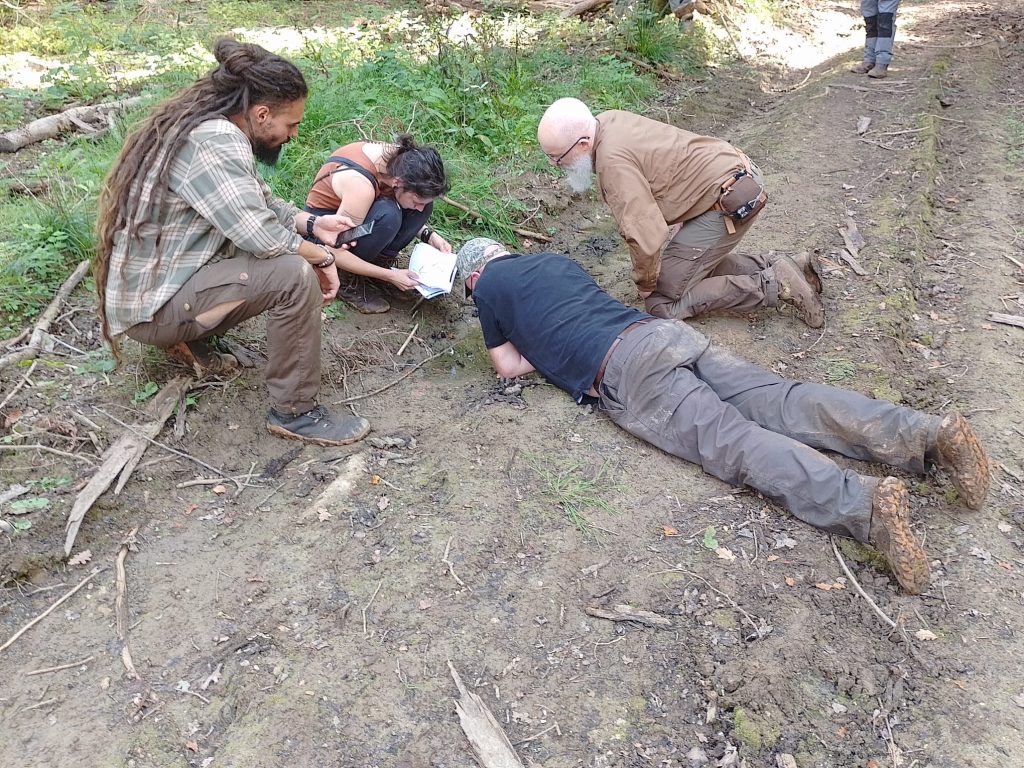
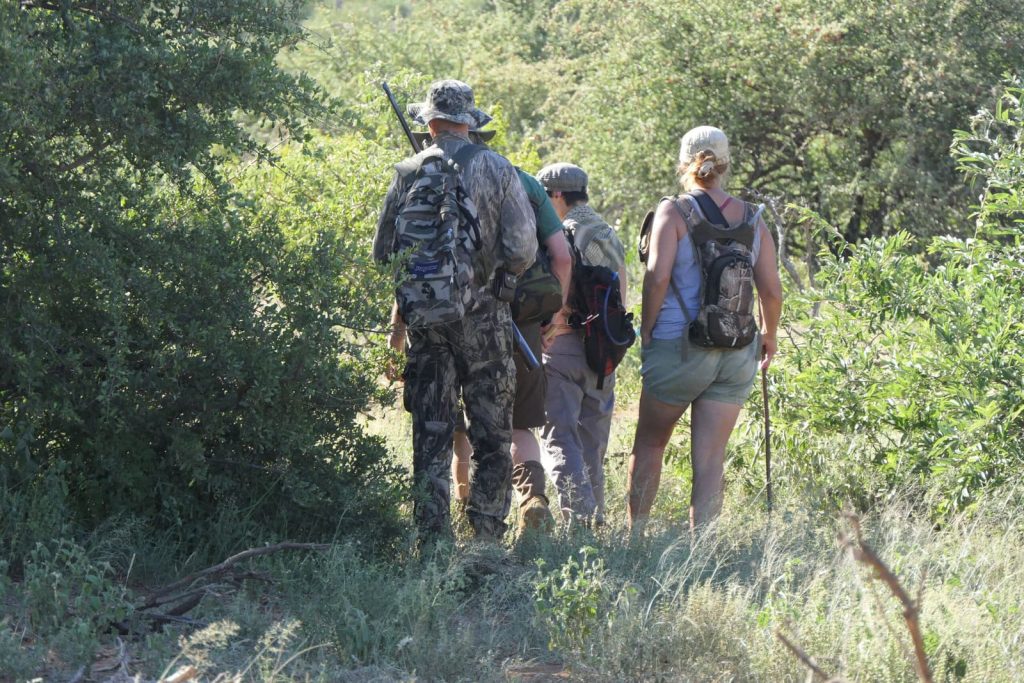
This course is all about building real practical skills in animal trailing. All of our time is out in the field, experiencing real dirt time in learning how to follow animals, read their behaviour and understand the landscape so you can predict their movements. Along the way, we may introduce track and sign as key tools and aids where relevant as in practice they are all intrinsically interlinked. Tracking is about spotting signs, making sense of them, following the trail, and ultimately finding the animal!

The training is broken into blocks to give you time to consolidate and practice in between. Trailing can be surprisingly mentally demanding and it is helpful to spread out your learning. Expect a good deal of time on the trail, personal feedback and advice for practice between sessions. By the end, you’ll have a deeper understanding of animal behaviour, the ability to anticipate movements, and the confidence to use your skills in all sorts of environments.

Trailing, more than any other discipline promotes deep ecological literacy as it pulls together elements from many environmental aspects, it is not merely following tracks on the ground. There is real relevance to bird language, knowledge of plants and terrain, weather and wind movement and especially animal behaviour. Combining this course with our Track & Sign Intensive creates a very thorough and unique tracking training programme.

Course Content

Using the CyberTracker evaluation framework as a guide, the programme steadily builds your trailing ability step by step. You will develop core skills like sign recognition, predicting animal movements, staying alert, moving with stealth, and making safe approaches all with tailored feedback along the way.

Although the main focus is trailing, we also weave in other skills to give you a fuller picture of the animals you’re following. You will get hands-on with tracks and signs from different species, learn to identify their food plants, aging of tracks, read bird and animal alarms, understand gaits, and practice general fieldcraft and stalking. We focus on ungulate species, but we will also explore how terrain, seasons and behaviour all influence the way you approach animals in general.

To keep things personal and focused, the programme is limited to a small number of students. Small group sizes mean more time on the trail, plenty of individual attention, and the best possible chance of real animal encounters.

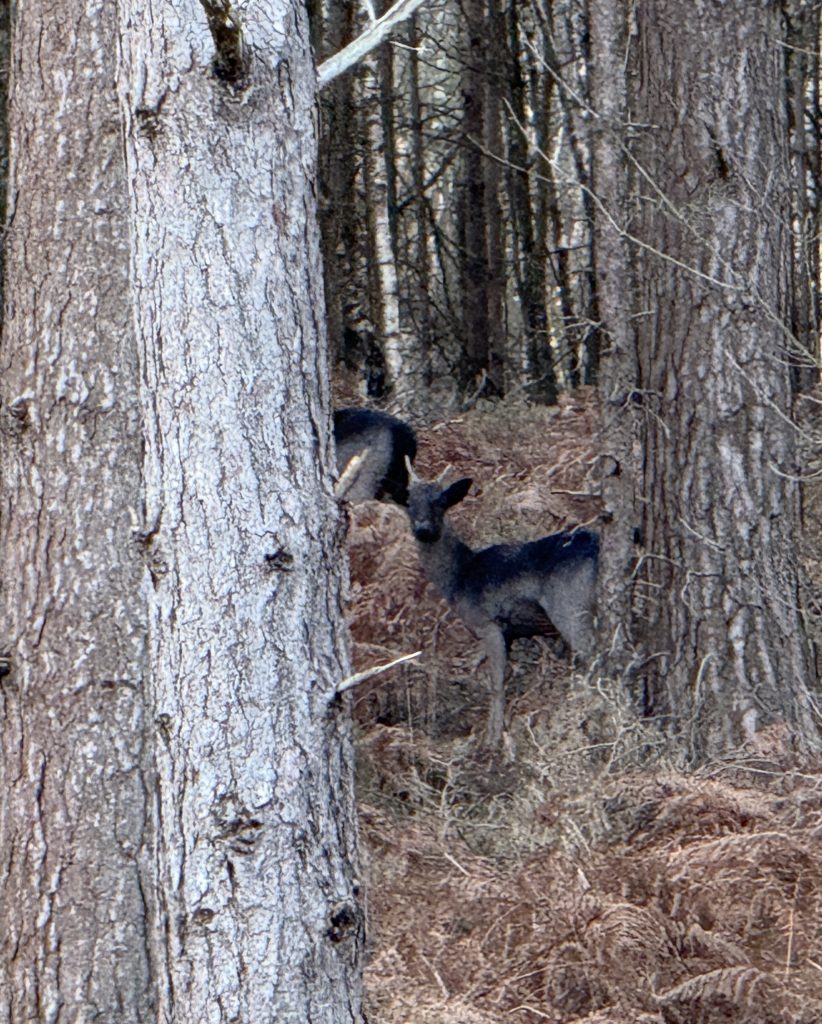
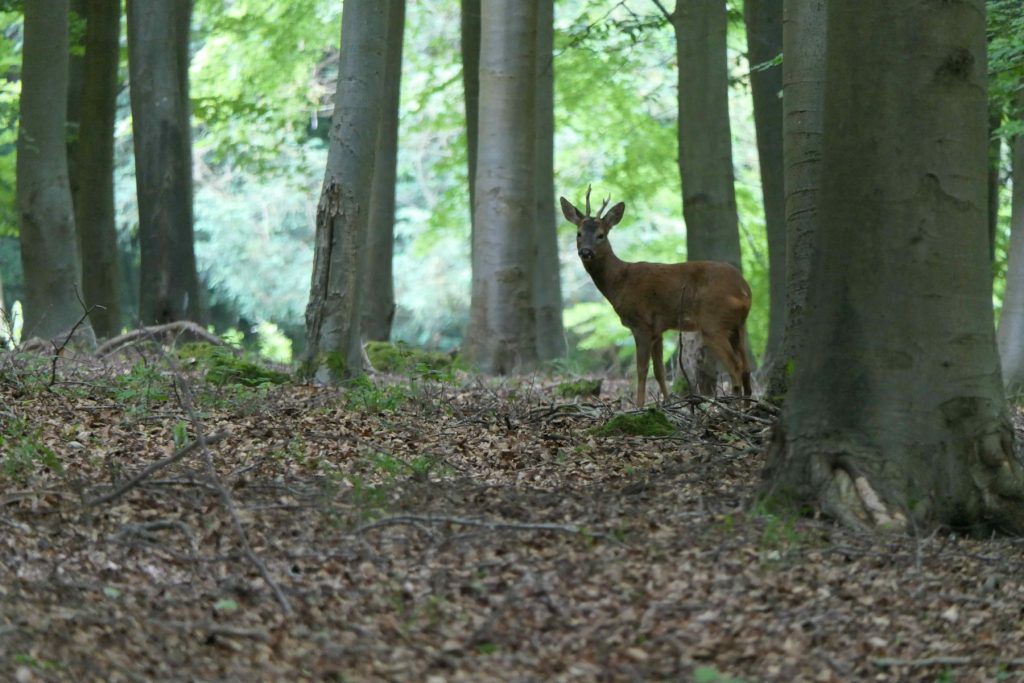
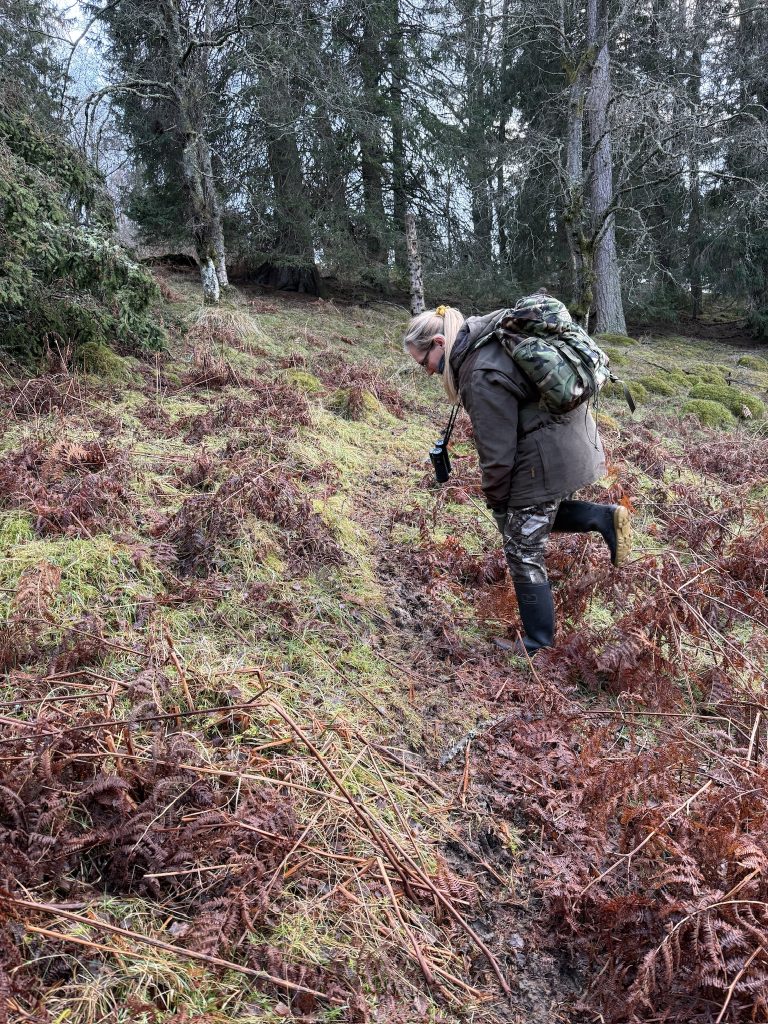
Student on the Trailing Intensive course watching the deer they followed

Details

This course is run by John Rhyder who is certified as a Senior Tracker having scored 100% in both track & sign and trailing in specialist evaluations – the highest assessed level possible in the Cybertracker system. John is also an evaluator for the CyberTracker in both track & sign and trailing.

Sessions are out of doors and on the move at various locations.  We may be walking for extended periods on uneven ground and being in areas without regular toilet facilities, so a reasonable level of fitness and preparedness is recommended. If you have any questions or would like to discuss this further, please feel free to get in touch.

Fees

The cost of this programme is £1200 which can be spread over 4 equal payments.

Related Programmes

Dates 2026/27

The course runs for 12 days over 4 modules

  • 13-15 November 2026
  • 11-13 December 2026
  • 15-17 January 2027
  • 5-7 February 2027

Booking

Please read the following information before booking:

Please note these are self catered courses, we are not always working from our usual site for our tracking events and so do not normally offer camping. there are some excellent campsites close by which are reasonably priced.

You need to be over 18 years of age to attend this programme.

Course dates 2026

If these courses are full please contact us to be placed on a waiting list for cancellations. Should enough people express an interest we may run extra dates.

Track And Sign Intensive

Overview

Step into the world of wildlife tracking and discover the hidden stories written across the landscape. This course is all about sharpening your eye for detail and building confidence in identifying land vertebrates through both sightings and the signs they leave behind. The focus is always on finding and interpreting real-world examples in the field, from the smallest rodent scat to the largest footprint, helping you to piece together clues that reveal how animals live, feed, and move through their habitats. To support and reinforce what you encounter outdoors, we also make use of our vast teaching collections and along the way, you’ll gain hands-on experience with camera traps, ink traps, and small rodent live traps, giving you the chance to observe creatures up close and confirm your discoveries. While the focus is on the rich variety of wildlife in our fixed locations, we’ll also take field trips to other areas to expand your experience. By the end, you’ll walk away with a deep understanding of wildlife identification and the skills to confidently read the tracks and signs of many species.

Course Content

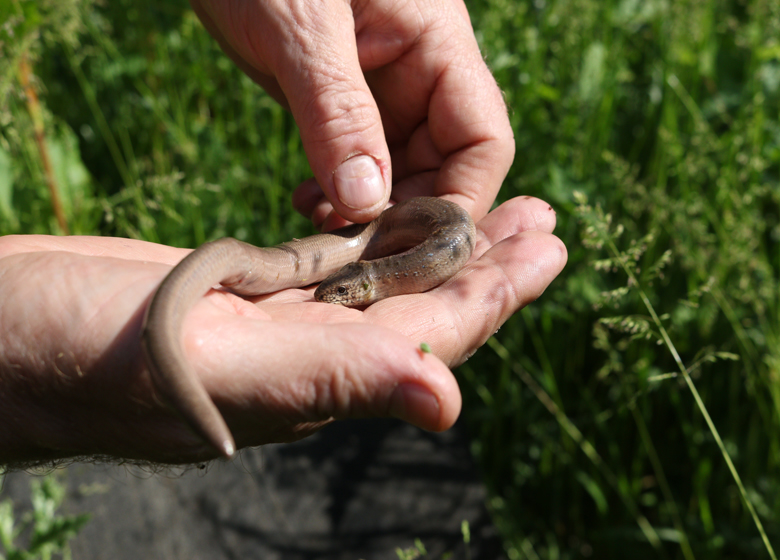
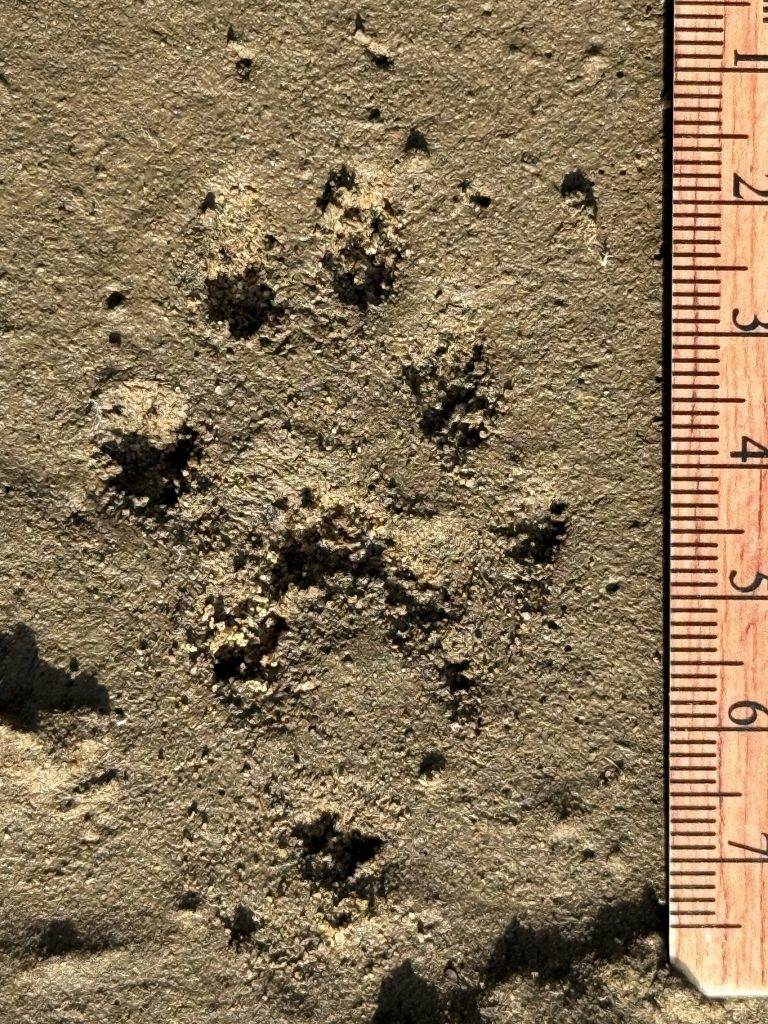
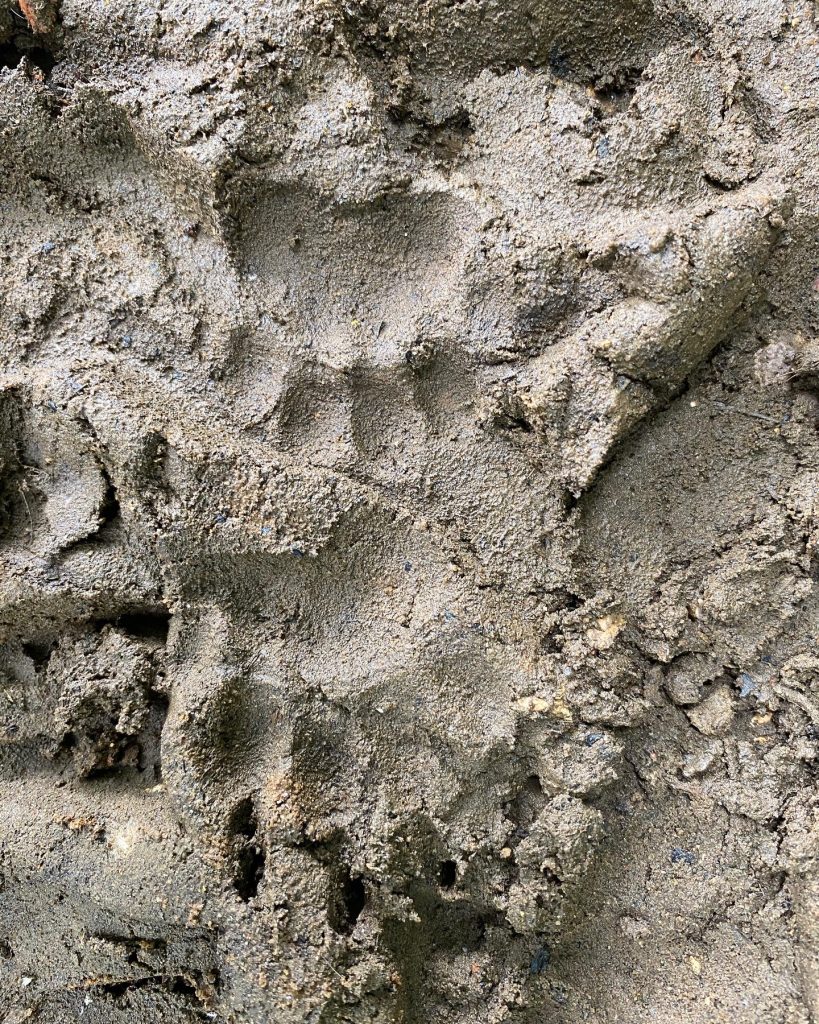
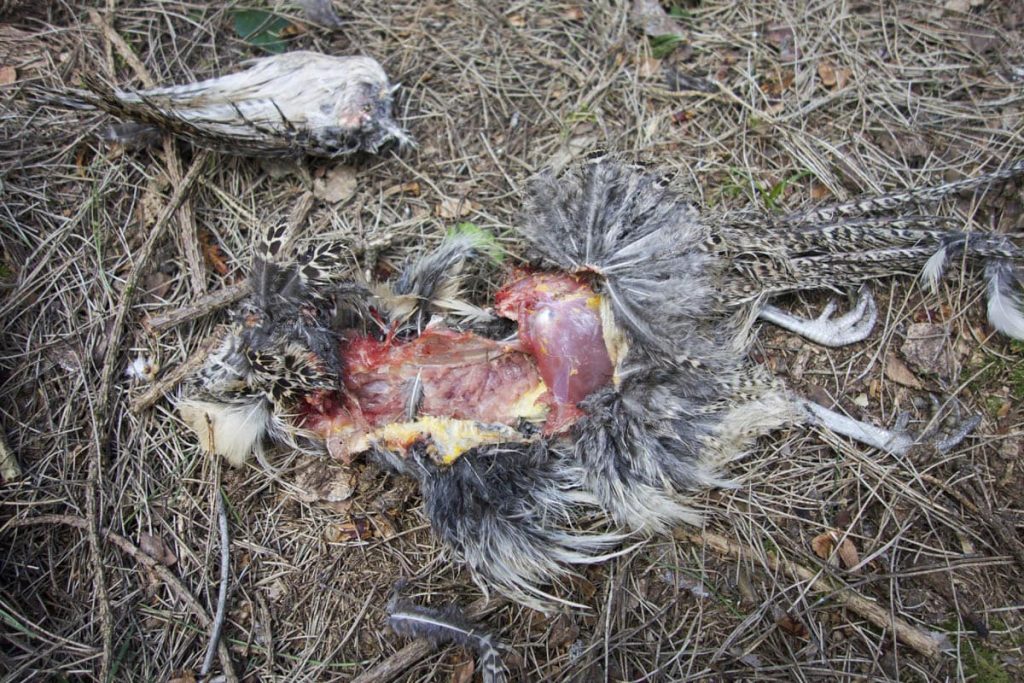
We will immerse you in the fascinating study of birds, mammals, reptiles, and amphibians, learning how to identify them in the field. Study areas include feathers (to understand their form, function, and role in species recognition), track identification, deciphering gaits and patterns to spotting the subtle differences between species. Through wilderness exploration, you will investigate kill sites, scat, feeding signs, dens, and resting places, always with the aim of discovering and interpreting genuine examples in nature. To help in your journey to becoming an holistic tracker we also explore bird, language, feather form and function and skull and bone identification. Together with our Trailing Intensive course our aim is to offer a comprehensive tracking training programme.

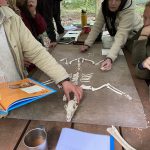
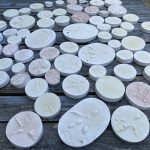
To back up this fieldwork, you’ll also have access to our extensive teaching collections. These include a wide range of skulls and bones, a dedicated scat collection, and plaster casts of both mammal and bird tracks. Handling and comparing these specimens reinforces the lessons learned outdoors, giving you the chance to study details that may be harder to come across in the wild. Alongside this, you will dive into animal ecology and behaviour, learning how all of these signs connect to the bigger picture of the natural world. Every outing will bring opportunities to gather and interpret evidence, ensuring that you leave the course with a well-rounded and practical set of skills that will stay with you long after the programme ends. As part of these workshops, we will spend time outdoors on field trips, this may involve walking for extended periods on uneven ground and being in areas without regular toilet facilities, so a reasonable level of fitness and preparedness is recommended. If you have any questions or would like to discuss this further, please feel free to get in touch.

Fees

The cost of this programme is £1200 which can be spread over 4 equal payments.

Related programmes.

Dates 2027

  • 23-25 April 2027
  • 21-23 May 2027
  • 25-27 June 2027
  • 30 July 1 August 2027

Booking

Please read the following information before booking:

Please note these are self catered courses, we are not always working from our usual site for our tracking events and so do not normally offer camping. there are some excellent campsites close by which are reasonably priced.

You need to be over 18 years of age to attend this programme.

Course dates

If these courses are full please contact us to be placed on a waiting list for cancellations. Should enough people express an interest we may run extra dates.

Certificate in Applied Bushcraft – Level 4

Overview

Woodcraft School was the first organisation in the UK to offer an accredited course specifically designed for bushcraft instructors, and it continues to set the benchmark for bushcraft techniques for both trainee instructors and enthusiasts read more. While formal assessment of teaching skills is no longer part of the programme, we provide guidance and advice for those wishing to pass on their knowledge. For those seeking formal recognition in teaching, several short train the trainer type courses are available via other awarding bodies.

It would be useful to have some prior knowledge of bushcraft before embarking on this programme, though it is not essential. The award is structured into nine modules plus an additional assessment module, spread across either 12-24 month, you can decide how long you want to spent completing the qualification. The course is organised in blocks that include weekends to reduce the impact on the working week, making it accessible to those who are fully employed. Students with long journeys are welcome to arrive the night before, ensuring flexibility and convenience.

The programme is delivered entirely outdoors, and participants are expected to camp for the duration. In addition to on-site sessions, a significant portion of home study is required, so students should be prepared to immerse themselves fully in bushcraft—living, eating, and sleeping the skills throughout the course. If you are in any doubt about your suitability, we encourage you to contact us to discuss your individual circumstances.

Course Content

Throughout the programme, students are guided through a broad and immersive range of bushcraft skills. You will learn about tool design and safe use, carving techniques, hand-tool tree felling, and timber conversion, alongside traditional crafts such as primitive glues, bark work, cordage and net making, and essential knots and lashings.

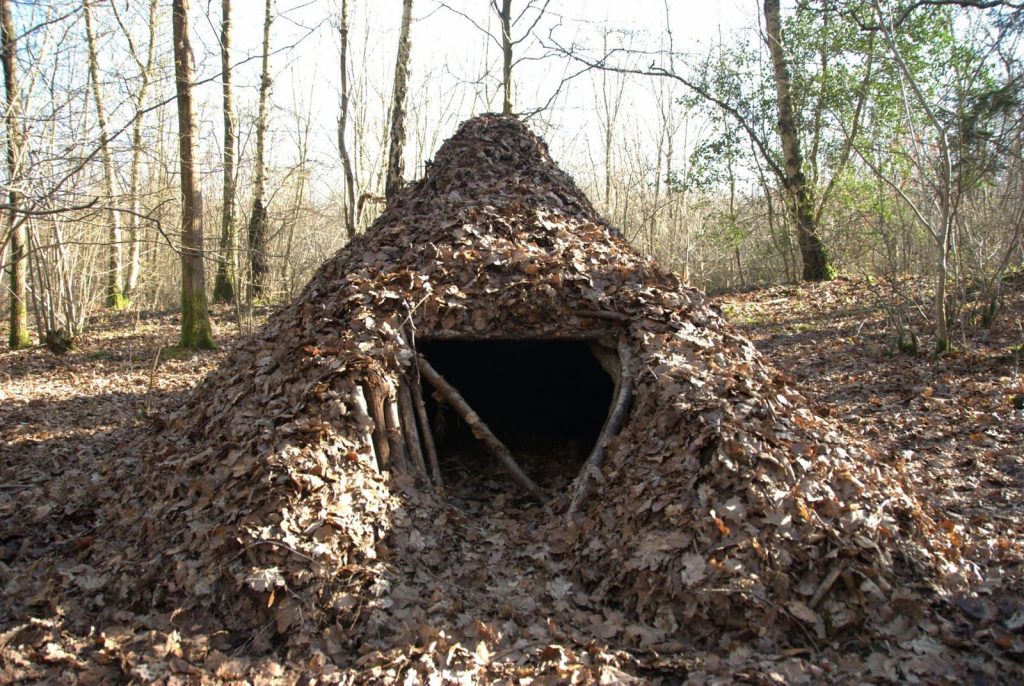
Practical survival skills are explored across a variety of areas, including shelter construction using both natural and modern techniques, fire lighting and management—covering bow drill and hand drill methods—backcountry cooking, game preparation, and foraging for wild food. Students also gain knowledge in tree and plant identification, including poisonous species, recognising animal tracks and signs, natural navigation, and sourcing safe water.

The programme emphasises not just skills, but the ability to manage the physical challenges of the outdoors, including the effects of heat, cold, and dehydration. By the end of the course, participants are confident and competent in a wide spectrum of bushcraft skills, ready to live, work, and share their knowledge in the natural environment.

This programme requires the student to be living in the outdoors and managing themselves, the environment and the camp and resources. With this in mind you are also expected to help out around the site with tasks such as bringing in water, washing up and collecting firewood.

Fees

The cost is £3075. After a £200 deposit, the remaining £2875 payments can be spread over 12 monthly installments or paid per module.

Entry Requirements

We expect candidates seeking entry to this programme to have a good level of bushcraft experience which may be gained on our Advanced Bushcraft Award 

Location

Near Heathfield, East Sussex

Details

This programme is run under license by Phil Brooke with John Rhyder being responsible for the quality assurance. This is still a Woodcraft School course and the certification will still come via Woodcraft School and the NCFE. The main difference will be that the booking and financial arrangements will be made directly with Phil Brooke.

Phil is an excellent instructor who John has personally been training for this role for over many years. The programme is still a Woodcraft School course and if we didn’t think Phil capable of delivering a programme equal to what has gone before we would not grant the license. Any courses that Phil runs will be licensed to him exclusively so rest assured this isn’t a quality diluting franchise system. All of these programmes will therefore still be found on our Woodcraft School website alongside the ones John will lead.

Course Dates

This course in run under license on our behalf by Phil Brooke dates and further details are available at the link below.

Certification

The award level is set at level 4 by using national benchmarks. Successful candidates will receive the Certificate in Applied Bushcraft from the NCFE who we will be using to underscore the quality of this programme.

Levels

The level of our programmes implies the degree of work needed to be done by the student to achieve certification. Our awards are set at level 3 and 4 but this does not imply that levels below these benchmarks are needed prior to joining a course. Guidelines as to the complexity of the levels can be found here.

Assessment

Assessment takes several forms depending on the subject matter and will include observation, question and answer sessions, written papers, identification tests and assignments. The process is thorough and vigorous and designed to ensure you have full understanding of the subject areas. The assessments takes place at set times during the programme.

It is possible to take the training element of this course and not the assessment in which case a Certificate of Attendance is offered.
COURSE REVIEWS

Its been 2 years since my level 4 bushcraft programme with you and I have realised that I am still thinking about the course every day. Whether I’m recalling information, applying principles, making decisions through experiences gained, building on the thorough foundation you created or just fondly remembering things, some aspect of the level 4 programmes seems to crop up daily. Whilst I am not immersed in the woods as much as I would like, the content still seems alive and current to me.

Rob Crates

A really great mix of practical experience backed up by solid theory and self led learning. I always enjoy the challenge of assessment which I feel pushes students to really embed the learning enabling them to study a subject area in depth. I have come out of the course having learnt so much, but even more special than that is having had my eyes opened even more to the wonderful world of natural living and bushcraft inspiring me to go forward and continue to learn even more.

Rosemary Thomas

This course shifted the way I see the world around me, putting me more in touch with my environment that I used to walk blindly past. It gave me tremendous confidence and experience to teach bushcraft myself, and also the curiosity to extend further and learn more about all the many subjects we covered, from ancestral skills to craftwork and wildlife tracking.

Alex Dewitt

Bushcraft is a vast subject with many facets.  This course provided me with the perfect environment to hone known skills and learn new ones.  Phil is patient and will guide you in your learning, he will also push you to reach your potential.  Taking place from October to June you will experience all seasons and be provided with a comprehensive outdoor experience.

Stephen Fletcher

Advanced Bushcraft Award – Level 3

Overview

This immersive course welcomes both newcomers and those with prior experience, offering a structured and in-depth introduction to bushcraft and outdoor living. It sits alongside our wider work in wildlife tracking and ethnobotany, recognising bushcraft as a core skill that underpins and complements both. Together, these disciplines build true confidence outdoors—helping you feel at home and capable in the natural world.

We believe that bushcraft is a natural science — a field that explores the relationships between people, wildlife, and environment through direct, lived experience. It provides the essential grounding for all outdoor pursuits, developing the awareness, capability, and resilience needed to move confidently in wilder places. Whether your interests lie in tracking, ethnobotany, ecology, conservation, or outdoor education, bushcraft forms the foundation upon which those skills can grow.

Course Content

Throughout the course, students develop hands-on expertise with essential tools, learning both their effective use and proper maintenance. Fire skills are explored in detail, covering methods from traditional friction techniques to safe fire management in outdoor settings. Carving and cordage skills are introduced, while sustainable harvesting and minimal impact approaches encourage respect for the natural environment. Participants learn to identify plants and trees and understand their practical uses, discover edible wild foods, and interpret mammal tracks and other signs within the landscape. The principles of shelters are taught, enabling students to assess their appropriateness. The course also covers knots and rope work, emphasises the importance of water safety and purification, and provides guidance on recognising and responding to heat and cold-related injuries. By the end of the programme, students emerge with a thorough and confident understanding of bushcraft, equipped to thrive safely and comfortably in the natural world.

The course is intentionally intensive. Each technique is demonstrated to a high standard, with time for guided practice to ensure that participants can refine and consolidate their skills. Over the years, it has earned a strong reputation for its depth and rigour, attracting students from across the UK and Europe. The programme runs over a five-day training block followed by a two-day assessment, with time in between for independent practice and consolidation.

This programme requires the student to be living in the outdoors and managing themselves, the environment and the camp and resources. With this in mind you are also expected to help out around the site with  tasks such as bringing in water, washing up and collecting firewood.

This course is an ideal programme to progress to the Certificate in Applied Bushcraft.

Fees

The cost of this course is £750 per person

Details

This course is run by John Rhyder or Phil Brooke.

Bookings

Please read the below information before booking.

This course is part catered offering an evening meal only and we can accommodate meat and vegetarian diets, if you have allergies, a specific or complicated diet or are a strict vegan then you will have to make arrangements to supplement the food provided with your own provisions. Please contact the office prior to making any online booking if you fall into this latter category if you need to discuss your options.

Price includes an evening meal & camping. Aimed at 18 years and over although we do offer places to younger people at our discretion.

COURSE DATES 2026

If this course is full please contact us to be placed on a waiting list for cancellations. Should enough people express an interest we may run extra dates.

Certification

The award level is set at level 3 by using national benchmarks. Successful candidates will receive the Advanced Bushcraft Award from the NCFE who we will be using to underscore the quality of this programme. In addition we also provide a Woodcraft School certificate.

Levels

The level of our programmes implies the degree of work needed to be done by the student to achieve certification. Our awards are set at level 3 and 4 this does not imply that levels below these benchmarks are needed prior to joining a course.  Guidelines as to the complexity of the levels can be found here.

Assessment

The assessment process varies from subject to subject and includes question and answer sessions, practical demonstrations, observation and short written question papers. The bulk of the assessment takes place in the final two day block.

If you have any questions or would like more information about this course, please feel free to contact us for an informal chat.

COURSE REVIEWS

It’s been a massive challenge and I have absolutely loved it (sorry if my face didn’t always show that). It’s a brilliant course and you were fantastic teachers, I’m very grateful.

Chrissy Baxter

Thanks everyone for a fantastic experience. Thank you to you John and Gav and Chris and Evan for sharing your wisdom and knowledge with us and making it so much fun.

Jim Todd

Thank you everyone for a wonderful experience. Absolute blast meeting you all and feeling very inspired. Thank you John for well taught, life-enriching knowledge and skills I can carry forwards and share with others now too.

Tom Young

Precious time in a beautiful woodland with the most friendliest group, while learning useful fun skills from great teachers, challenging oneself and feeling proooud and happy! So much more to learn and try and practise and enjoy.

Steffi Guenther

What an amazing Course, great for beginners and more advanced students. Was blown away regarding the knowledge that our instructor John shared with us, from bushcraft to woodcraft, plant and tree ID and much much more. I went away wanting more, its been the best course I’ve ever taken.

Carl Bacon

It’s been the most exhausting, intense and exhilarating experience. Lots of sore muscles and a head so full of information it’s going to take me a couple of days to get it all into some sort of order. Lots of practical and theoretical homework now until assessment and accreditation in August……. off now to practice bow drill – my Nemesis!

Mary P

This course is pretty amazing. I went in as a total newbie, slightly nervous of what was to come, but looking for an adventure, and a way to open up my understanding and appreciation of the Natural World. It’s no overstatement to say that I came away with a wealth of knowledge and more of a feeling of belonging to the wild places. I no longer feel like a stranger in the Woods or Forests, but more a part of them.

Mark Lawless

From the first day of arrival to the assessment the course was outstanding. What a privilege to learn with masters of their craft and feel their enthusiasm (which is infectious!). As a beginner, I found the course very accessible and felt very much part of a team straight away. There were high standards, and with ample time to practice skills and seek guidance from John & Phil, I felt the structure of the course really worked for me.

Luke Newman

The knowledge and wealth of experience were second to none. Every day was a fun and humorous atmosphere. I enjoyed the beautiful location. For what the course offered it was well worth the price. I would highly recommend Woodcraft School. Once again a huge thank you to yourselves and to all the team for accommodating my religious,dietary and physical needs. I could not have expected more…10/10.

Ali Aziz

I must admit I felt like a complete ‘grommit’ on this course, but due to the excellent patience, delivery & teaching methodology employed by the course instructors I never felt too uncomfortable with my own incompetence. This course although tough (for me) has only served to enlighten rather than dissuade me in regards to my bushcraft endeavours going forward. Great course, great instructors, I can’t recommend this course enough!

John Aldcroft

The course syllabus is all the course detail, I can say that all and more were delivered in the most inspiring structure, having studied and practiced Bushcraft for many years I took the decision to take an accredited course and the benefits of this can not be underestimated, you leave with a study period pre assessment and this is great incentive to further study and of course in turn further develop your knowledge as well as the obvious benefits of accreditation should you wish to teach or develop a career around bushcraft.

Alan Linee

There really is something for everyone here, from carving and plant and tree ID to water purification and making fire. Also there’s a distinct lack of ‘my knife is bigger than your knife’ machismo that can sometimes occur which is very refreshing. The location of the course itself is lovely, in a woodland with streams and an abundance of birds and mammals. I wish I could do Woodcraft School courses all year round!

Jess Rickenback

I decided to do this course after looking around for something that would refresh any skills I already had and provide lots of new ones. I also wanted something that carried an external accreditation which would hopefully show a well thought out course with a structured quality procedure. That is exactly what you get here. The course would suit anyone from those with lots of prior experience to someone who is looking for a new challenge.

Matt Williams

Awesome course! I learned so much whilst having huge amounts of fun in a lovely woods. I even enjoyed the assessments! On site facilities were great. The group were fab too … And weren’t into bushcraft just for a knife collection! Lots of people from different walks of life sharing an interest in the natural world, outdoor activities and a desire to improve their own skills. I had a fabulous learning holiday and would do it all again!

Louise Anderson

First class tuition, location and bunch of coursemates. Definitely not a course for anyone looking to just turn up and assume you’ll pass. The training and assessment are both full on and you have to put the hours in if you want to succeed (particularly for a beginner like me!). But doing so is fantastic and well worth the effort.

Scotty Batty

If you are looking to take an awareness of bushcraft and the reasons why we do it to a deeper level, then look no further than John and his courses. Make no mistake, it will be challenging, (especially if the weather is anything like it was when I did it!), but the reward and sense of satisfaction on completing it is worth more than anything else you would get for the money.

Lee Dawson

This course busts some of the commonly held survivalist perceptions and in their place develops countryside skills and a knowledge base that will enable the individual to live comfortably and with confidence away from the amenities of the urban world. The problem is that it is like a drug; the more you get, the more you want! This is the 4th course I have done with the Woodcraft School. Each time I have thoroughly enjoyed the experience and come away feeling more knowledgable and full-filled.

Fred Dupuy

I thoroughly enjoyed the course and felt that the instructors were very professional and taught to a high standard. I met lots of interesting people from all walks of life and were there for so many different reasons. My knowledge before the course was limited and now I feel more confident in teaching and bringing my experiences across to the youngsters I teach. The camp was well set up and the food was of a very high standard.

Paul Goldsmith

This course was really well taught by knowledgeable, experienced and engaging staff, with plenty of time built in to develop the new skills we were taught with help and humour at hand. It was intense, exhausting and inspiring. It’s opened my eyes to a new world of bushcraft and given me a fresh view of our precious woodlands. I know there’s a lifetime of exploration ahead of me!

Elizabeth Denyer

The Advanced Bushcraft NCFE L3 was a fabulous course. The content was well delivered in a clear and concise way, with plenty of time to practice skills and be tutored along the way. The setting was perfect in a beautiful and varied forest where there is an abundance of wildlife, tree & plant species, including a rare opportunity to go badger spotting. Overall the course was inspiring and highly recommended, the Woodcraft School really walks their talk in bushcraft.

Holly Willmott

Educational emotional and fun. The course was inspirational, both emotionally and practically . Both instructors, John and Nick have fantastic presentational skills, with pupil to instructor ratio just right. I would highly recommend this course for inspiration and learning in the outdoor environment with nature.

Marc Lloyd Griffiths

I have learnt an array of new skills, and understanding of plants, trees, wildlife and ecology, this is tribute to your professionalism and the belief you have in the subject and your teaching abilities.You have given me a platform from which I can build on and further my skills and knowledge. The location of the course was second to none, and the food that was prepared for us was first class.

Hefin Hamer

The course exceeded all expectations. The setting was beautiful the teaching was excellent and the food was first class. Could not of asked for more, except to maybe to stay longer and do it all over again. Thank you very much to the whole team for an insight into this magical world.

Peter Holland

It isn’t very often that you can say “I’m really looking forward to an assessment!”. That was most certainly the case with this course. I have taken quite a few outdoor training and assessment courses over the years and this beat them all without exception – a stunning woodland setting, a very high standard of teaching, enjoyable and interesting topics throughout and of course – excellent food!

Gary Walker

Intermediate Bushcraft Award – Level 2

Overview

This programme is designed specifically for outdoor instructors who wish to gain recognition for their knowledge while supporting their professional development. All material assessed is covered during the course, ensuring there are no surprises, and the programme provides practical skills that are immediately applicable in both professional and personal outdoor settings.

The course is delivered in a three-day training block followed by a further day of assessment, with time in between for consolidation and practice. This structure allows participants to refine their skills before evaluation and ensures the learning is thorough and lasting. The award provides an ideal starting point for anyone wishing to develop their bushcraft knowledge and may lead naturally to the Advanced Bushcraft Award for those seeking to progress further.

Course Content


Throughout the programme, participants develop a wide range of outdoor skills, beginning with tool use and maintenance, fire-making and management, sustainable harvesting, and minimal-impact practices. Instruction also covers plant and tree identification and practical uses, recognising and managing heat and cold-related injuries, constructing effective shelter systems, essential knots and rope work, and understanding the importance of safe water and purification techniques.

The course blends practical bushcraft skills with a deeper understanding of nature, equipping candidates to apply their knowledge confidently in professional sessions or outdoor adventures. By the end of the programme, students emerge with recognised accreditation and a solid foundation in bushcraft that can be built upon in future training.

The programme is an ideal start place to acquire bushcraft and students may wish to progress to the Advanced Bushcraft Award.

Fees

Prices will vary with number of participants and location.

Details

This course is run by Phil Brooke.

Bookings and Dates

This programme is specially designed with outdoor centre staff in mind and bookings are accepted from organisations and not individually.

If you have any questions or would like more information about this course, please contact us for an informal chat and to discuss options.

Certification

The award level is set at level 2 by using national benchmarks. Successful candidates will receive the Intermediate Bushcraft Award from the NCFE who we will be using to underscore the quality of this programme.

Levels

The level of our programmes implies the degree of work needed to be done by the student to achieve certification. Our awards are set at level 2, 3 and 4 this does not imply that levels below these benchmarks are needed prior to joining a course.  Guidelines as to the complexity of the levels can be found here.

Assessment

The assessment process varies from subject to subject and includes question and answer sessions, practical demonstrations, observation and short written question papers. The bulk of the assessment takes place in the final two day block.

It is possible to take the training phase without the assessment in which case a certificate of attendance can be issued.

Foundational Ethnobotany – Level 3

Overview

The use of plants for food, medicine and craft goes back millennia and continues to be relevant today. Much of this knowledge has been passed down through oral traditions from a time when people relied on their own skills for nourishment, healthcare and everyday needs. One of the cornerstones of bushcraft is the ability to recognise and utilise the plants and trees of your surroundings. Beyond the woods, this knowledge enriches daily life by deepening our relationship with the natural world.

This course focuses on developing the ability to identify a wide range of plants and trees and to understand their uses in craft, food, medicine, navigation and bushcraft. Students will not only learn about plants but also put this knowledge into practice through experimentation and application. Over the training period, participants will work from a master list covering between eighty and one hundred species. The programme is delivered over five days, including a short assessment that includes plant and tree identification tests and a written paper. The assessment is optional.

Course Content

The training covers plant and tree identification, including recognising common poisonous species and understanding the effects of their chemical constituents. Students will explore the nutritional value of wild foods, discover alternatives to pharmaceutical medicines and learn about the traditional uses of individual plants in areas such as bushcraft and natural navigation. Practical sessions include simple treatments for minor illnesses, the use of herbs for first aid, harvesting methods, and the preparation of herbal medicines.

Your learning is brought to life through hands-on experience. You’ll discover how plants can provide fire, cordage and nourishment in the wild, and how traditional knowledge transforms simple materials into essential tools. Along the way, you’ll experiment with wild foods, try out time-tested techniques, and deepen your awareness of the landscape. Folklore and plant stories are woven throughout the course, adding a sense of tradition and adventure to the practical learning.

Fees

The cost of this course is £550 per person.

Catering

Please note this is a self catered course and camping is optional.

Details

As part of the course, we’ll spend time outdoors on field trips. This may involve walking for extended periods on uneven ground and being in areas without regular toilet facilities, so a reasonable level of fitness and preparedness is recommended. If you have any questions or would like to discuss this further, please feel free to get in touch.

This programme is led by John Rhyder.

Bookings

Please read the below information before booking.

Please note this is a self catered course and although it is non residential you are welcome to camp at our site if you prefer. There will be some travel to other venues although we will endeavour to car share as much as possible.

NB: Camping is not integral to this programme, it is something we offer for the convenience of our students it is not part of the course fee. With this in mind please be aware that should you choose to stay on site you will be expected to help with the small tasks, that facilitate the smooth running of the camp.

COURSE DATES 2026

Certification

The award level is set at level 3 by using national benchmarks. should you choose to attend the assessment Successful candidates will receive the Certificate in Foundational Ethnobotany from the NCFE who we will be using to underscore the quality of this programme. In addition we also provide a Woodcraft School certificate.

Levels

The level of our programmes implies the degree of work needed to be done by the student to achieve certification. Our awards are set at level 3 and 4 this does not imply that levels below these benchmarks are needed prior to joining a course.  Guidelines as to the complexity of the levels can be found here.

Assessment

The assessment process consists of identification tests and observations of practical tasks including preparation on plant remedies and experimentation with wild foods. The plant and tree identification tests are carried out in the last afternoon of the training period.

It is possible to take the training element of this course and not the assessment in which case a certificate of attendance is offered.
COURSE REVIEWS

I recently undertook the week long Course with the Woodcraft School and it was one of my most enjoyable outdoor experiences. We easily covered over a hundred plants in a very practical and informative way, the instructors really make you feel at ease. If you do this course – the stroll in the park or wood, the walk by the river, will never be the same again. You will never look at another plant the way you did previous to this course as you will have the knowledge to identify the plant and know its uses.

Michael McGrath

If there is anything about plants and Nature that John doesn’t know, then it is probably not worth knowing. An excellent and balanced course for beginners and experts alike. The perfect blend of information and practicality. The walks and filed trips were magnificent and second to none. From a personal viewpoint as a bit of a ‘townie’, the course has given me a much greater understanding of the multitude of herbs that lie both in a simple path border as well as more forested areas, and their multiple uses for both food and medicine.

David Jamilly

What a brilliant course! We identified nearly 100 species of wild plants, learning about their uses in food and traditional medicine. We collected, cooked and ate many of the wild plants and prepared various herbal remedies.  On my return, I took my dog to our local park in South London and on that one walk was able to identify 20 of the plant species that we had learnt on the course. Admittedly it’s a very large park which includes about 50 acres of ancient woodland. I am a Duke of Edinburgh Award leader and have been able to share much of my knowledge from both courses with the students.

Nigel Sharma

I started the week with an interest in herbal medicine, but no knowledge, and ended it with the ability to identify a number of different plants and their edible and medicinal properties. John and Tim have an incredible knowledge, and their enthusiasm is infectious. The beauty of the this course, is that you don’t only learn about the uses of plants that grow all around us, but the evenings spent around the campfire learning, chatting and laughing with a group of people from different backgrounds all with a love of plants and nature, really adds to the whole experience.

Maria Johnson

The learning curve was quite phenomenal: we covered about one-hundred species! And the nice thing was that we got to experiment with lots of them: we cooked wild meals, we prepared tinctures, and we made macerations, decoctions and ointments. Over five days, we saw new plants, we were encouraged to go out and find them and harvest them. Throughout the course, John and Tim were very helpful and made sure that we were getting all the essentials, as well as having a clear idea of what was required for the final days assessment which provided an excellent way of reinforcing what we had learned and gauging what were our next key steps. We all left with heaps of enthusiasm and really keen to continue learning more! A highly recommended course.

Francisco J Gutierrez

Had the most fantastic week with such an amazing group of people..really bonded! The course run by both John Rhyder and Tim Lane was of an outstanding standard! We covered around 90-100 plants and their uses. Cooked and ate so many wild foods , I can’t wait to replicate them here. How to prepare medicinal plants in all forms. So much more! The late night camp fire conversation was as hilarious as it was to the highest degree intellectually stimulating. We banged the world to rights and had the ideas to solve it. Every one of them a genuine inspiration and absolute pleasure to know!

Rebecca Macuighlin

My appreciation of wildflowers and medicinal plants has increased exponentially on this course. The course was run in a relaxed way with each person able to work at their own pace with all the support needed, even when Woundwort didn’t appear to be in the woods at all! There was an interesting practical side to the course making natural medicines from the plants we gathered, in the form of tinctures, balms and macerations. The humour and banter in the group was the cherry on the top of an excellent week of study and fun. I wouldn’t hesitate to recommend this course to anyone with an interest in plants.

Paul Mialzzo

This was such an amazing experience for me, I am disabled with my hips been bad, and John and Tim were very helpful and understanding about my situation which made the course even better, it was parked full of information they are both a fountain of knowledge and certainly know what they are talking about! Also the other course members where really helpful in assisting me in many different ways, carrying my gear etc I feel I have not just gained my advanced level 3 but some really good friends! I would highly recommend John and Tim from the woodcraft school!! Thanks for the memories!

Andy Hall

Practical Ethnobotany and Plant ID – Level 4

Overview

This course delves into the world of plants, trees, and fungi, emphasising both identification and practical uses. It is designed to give students a thorough understanding of species across different habitats, their seasonality, and their applications within bushcraft, wild food, and herbal medicine contexts. While it is not a carving or craft-focused programme, nor a dedicated wild food or herbal medicine course, it explores how plants can be utilised across these disciplines. The course also includes the “Valuing and Managing Veteran Trees” programme, recognising the historical and ecological significance of these ancient trees.

Structured in a series of three-day blocks, the course timetable is arranged to allow students to study and be assessed on species covered in previous sessions. The timing of the blocks is determined by seasonal availability to ensure that students engage with plants and fungi at the most relevant stages of their life cycles.

Course Content

Students will develop skills in identifying and understanding the uses of both coniferous and broadleaved trees throughout the seasons. Study extends to plants found in a variety of habitats including woodlands, wetlands, heathlands, chalk landscapes, and coastal environments. The programme covers fungi, plant history, ecology, woodland heritage, wild foods, and the benefits and limitations of wild medicines and herbal first aid. Additional topics include directional indicators, working with fibres, natural dyes, saps and resins, plant nutrition, plant chemicals and toxins, and species nomenclature.

A strong focus is placed on seasonal variations and how they affect the practical applications of plants. Each block is dedicated to a particular habitat or area of study, with wild foods forming a recurring theme throughout the course. Students will gain confidence in identifying a large number of species to a detailed level, learning through handling, smelling, tasting, and using plants, as our ancestors did. This approach encourages students not only to recognise species but also to understand them, develop practical skills, and form a deeper connection with the natural world.

Ecology and history are also integral parts of the programme, enabling students to recognise relationships within plant and fungal communities. By the end of the course, participants will have a comprehensive understanding of the identification, ecology, and practical uses of a wide range of species across various habitats.

Fees

The cost of this course including certification is £1700. It is possible to pay for this programme in monthly installments.

Catering

Please note this is a self catered course.

Details

As part of the course, we will spend time outdoors on field trips. This may involve walking for extended periods on uneven ground and being in areas without regular toilet facilities, so a reasonable level of fitness and preparedness is recommended. If you have any questions or would like to discuss this further, please feel free to get in touch. This course is led by John Rhyder.

Bookings

Please read the below information before booking.

Please note this is a self catered course and although it is non residential you are welcome to camp at our site if you prefer. It is also possible to arrive the evening before but please call us to discuss this option. There will be some travel to other venues although we will endeavour to car share as much as possible.

NB: Camping is not integral to this programme, it is something we offer for the convenience of our students it is not part of the course fee. With this in mind please be aware that should you choose to stay on site you will be expected to help with the small tasks that facilitate the smooth running of the camp.

You need to be over 18 years of age to attend this programme.

COURSE DATES 2026

15-17 May, 12-14 June, 17-19 July, 14-16 August, 2-4 October, 30 Oct-1 November

If this course is full please contact us to be placed on a waiting list for cancellations.

Certification

The award level is set at level 4 by using national benchmarks. Successful candidates will receive a certificate in Practical Ethnobotany and Plant Identification. We will be using the NCFE IIQ to underscore the quality of this programme. In addition we also provide a Woodcraft School certificate.

Levels

The level of our programmes implies the degree of work needed to be done by the student to achieve certification. Our awards are generally set at level 3 and 4 but this does not imply that levels below these benchmarks are needed prior to joining a course.  Guidelines as to the complexity of the levels can be found here.

Assessment

The assessment process consists of a series of identification tests and the completion of both a plant and a tree herbarium with accompanying notes. The course leader will also keep a record of observation of the student carrying out and completing practical tasks. If you have any questions or would like more information about this course, please feel free to contact us for an informal chat.

COURSE REVIEWS

I can’t recommend this course enough. It’s been a really rewarding experience for me and I’ve walked away with not only a qualification I feel proud of but also lots of inspiration to carry on learning and precious new friends to share future learning with! It’s been really eye opening and probably life changing learning more about all the plants, trees, fungi throughout the seasons but there’s also a really refreshing balance of doing hands on practical things with the opportunity to experiment and learn together as a group.

Steffi Gunther

Very informative course taught by an experienced teacher. Although there is a lot of information to absorb over the 7 months, the course is taught in a clear structured way; each module is reflective of the seasons and builds on the previous one. The mix of theory and practical work is just right. Alongside the main learning outcomes, John is very open to questions, providing nuggets of info and wisdom along the way.

Dan Martin

The course was beautifully paced around the seasons. We entered the woods before the first leaves appeared and the course concluded as the leaves were beginning to fall. This ensured that we were able to cover the broadest possible range of plants and trees with the objective of understanding the importance of being able to ID species throughout their life cycles. Whilst the assessments, both the coursework and ID tests, were challenging and required commitment to complete successfully, I found the pressure to study and revise really helped to cement the knowledge in my mind. Both John and Phil were really happy to answer questions and to talk around subjects, rather than just sticking to a script, which I think is the mark of true experts. It was a privilege to spend time with them.

Christopher Collins

The course is fun and engaging with an appropriate level of challenge that pushes you out of your comfort zone, enabling you to deepen your connection with and understanding of our vegetatal, arboreal and mycological friends. The veteran trees we went to visit were truly awe inspiring. The mix of fieldwork, practical uses and scientific theory is in perfect balance, with plenty of opportunities to observe and collect plants and fungi in different stages of growth across the seasons and in different habitats.

Jill Ferguson

This was an amazing course, I learned so much about trees and plants and their uses both practically and medicinally, it has really enhanced my knowledge and connection with nature. I have had a passionate interest in herbalism for some years but limited experience in identifying the plants confidently in the wild, this course expanded my knowledge of plants and more importantly enabled me to identify them confidently and know them more intimately.

Sonya Keating

As a complete beginner I found the whole course fascinating and a wonderful introduction to the world of plants, and practical ethnobotany. I was quite nervous before starting as I knew so little, but your teaching style is easy and engaging with a great focus on practical and observational skills.The structure over a year is perfect for learning about plants through the seasons and the course work forces you to get to grips with the basics which gives you a great foundation of knowledge. I look at the natural world differently now, and will continue to apply what I have learnt every time I am out for a walk.

Sophia Merchandani

What an amazing course with over 20yrs professional Arboricultural experience I feel like I can finally call myself a woodsman! This course reminded me of the joys and necessity of researching and looking at the finer details of trees & plants for identification! John and Phil’s expert knowledge, great tuition in this subject gives you a great depth of knowledge in edible, medicinal and practical uses of trees, plants & fungi from woodland to coastal habitats which is an eye opener on how many edible and medicinal plants surround us and are at our finger tips.

Glenn Russell

I’d like to say a huge thank you for all the time and energy you put into running the ethnobotany course this year. It has been fascinating, inspiring and challenging, as well as a lot of fun to take part in. I’m sure you’ll see me in the woods for another of your courses some time soon.

Hannie Vogler

This course was everything that I could have hoped for and more. Knowledge of plants, trees and the natural materials around us sits at the heart of outdoor living and completing this course will give you a comprehensive base for your learning in these areas. Having limited ID skills coming onto the course it was incredibly useful to have John and Phil’s encyclopedic knowledge and quality tuition there to ‘bridge the gap’ from just reading about trees and plants in text books to ‘knowing’ well over a hundred on an intricate level.

Jack Watson

Not only have I come away with new knowledge, friends and skills, but also a deeper respect for the many ways in which plants, trees and fungi can lend themselves to a myriad of different uses. From medicine, fire, craft and (not forgetting!) food, to name but a few, you have emphasized how every season can provide a rich bounty. It’s an absolute pleasure to recommend this course to others, it’s brilliant to see something on Ethnobotany which isn’t purely academic. I also loved how you recognized limits to your own knowledge and called in experts in certain fields to ensure we had a well-informed, balanced experience.

Lucy O'Hagan

This was a truly incredible course, offering lots of opportunities to consolidate the wide breadth of information covered. The mix of practical, craft based learning and scientific theory kept things interesting, useful, and engaging. The method of assessment was great, as it mixed seasonal and habitat based ID tests with documented evidence of learning, and tree and plant herbariums which make useful resources for the future. I have never been on such a useful fungi course, which provided an excellent ID overview.
Jess Rickenback

I completed this course in 2015 and found it fascinating, discovering many new skills that I would never otherwise have come across and that I will go on to develop further. However we didn’t just learn these as a dry list of names we learnt about their traditional uses; cooking, medicine, construction, toolmaking as a few examples. We then tried these uses for ourselves, collecting plants and cooking with them, making medicinal tinctures and trying traditional crafts such as dyeing, papermaking and barkwork. These experiences have enabled me to talk about our native plants with much more depth of knowledge than just knowing their names and has also very much helped prepared me for an Ecology course.

Sarah George

For anyone wishing to have an in-depth knowledge of UK flora and habitats I would highly recommend doing woodcraft schools ethnobotany course. Field trips cover a variety of different habitats and species which grow on them. Edible, medicinal and natural history are covered also. You learn about medicinal properties of plants and try those too. You learn, discover and practice the uses for a whole plant, and this course covered several hundred of them. John and Tim both have a massive knowledge in this subject, and have a very down to earth and unique style of teaching.

Kevin Howlett

The course has enhanced my understanding of the plants and their environments, their past and present uses, and given me experience of working with them in a number of different ways, both practical and medicinal. I have thoroughly enjoyed each attendance as we have followed the seasons from spring to winter, and now find wherever I am my eyes are constantly drawn to the hedgerows, verges and foliage, looking for things of interest with a new understanding.

Graham Couling

Wildlife Tracking Africa

Overview

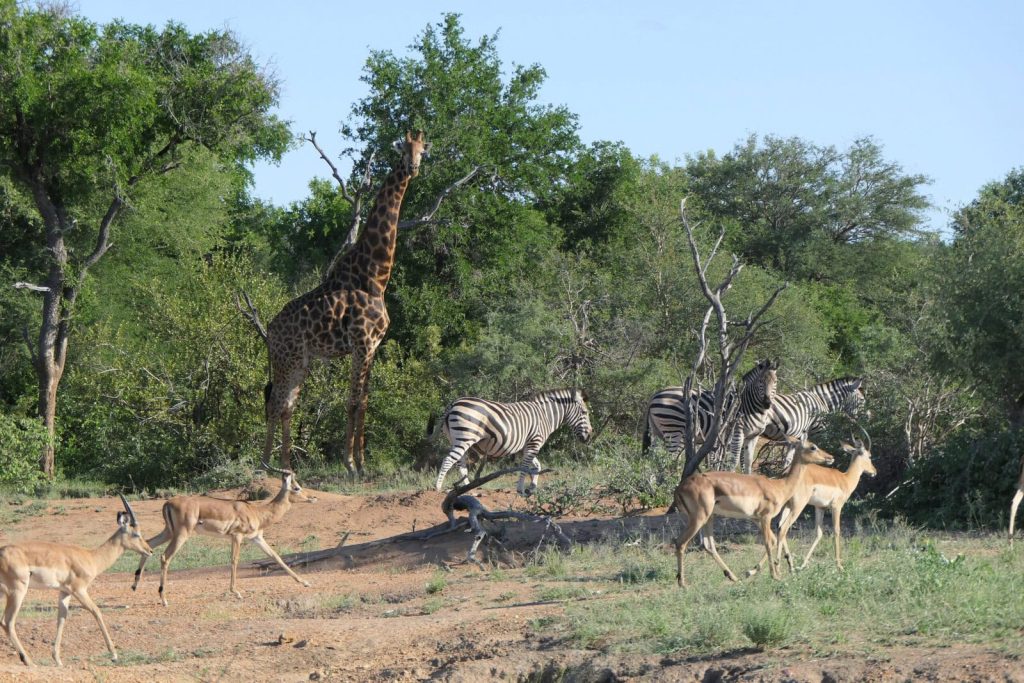
Our focus during this trip is to find and follow animals using their tracks and sign until we find them in person! There are also opportunities to participate in vehicle based game drives to locate and observe wildlife.

This course is a collaboration between Lee Gutteridge, Kersey Lawrence and John Rhyder and takes us to the heart of the Kruger National Park in South Africa. It is a vast landscape of 2 million hectares and home to a varied diversity of life including the iconic African mammals. Every tracker should make the effort to visit this continent at some point in their life, it’s the cradle of mankind and therefore also the birthplace of tracking.

The number of course participants is limited to six which really maximises our chances of being successful in our aim to get as close as possible to wildlife.

This is a ratio of two participants to one highly qualified wildlife tracker.

Course Content

Although each day is different, our intentions will be the same. To find a trail, to track and to find the animals.

Trackers identify, interpret, follow and find…and this summarises our goals. We want to learn how to do this better. All of us.

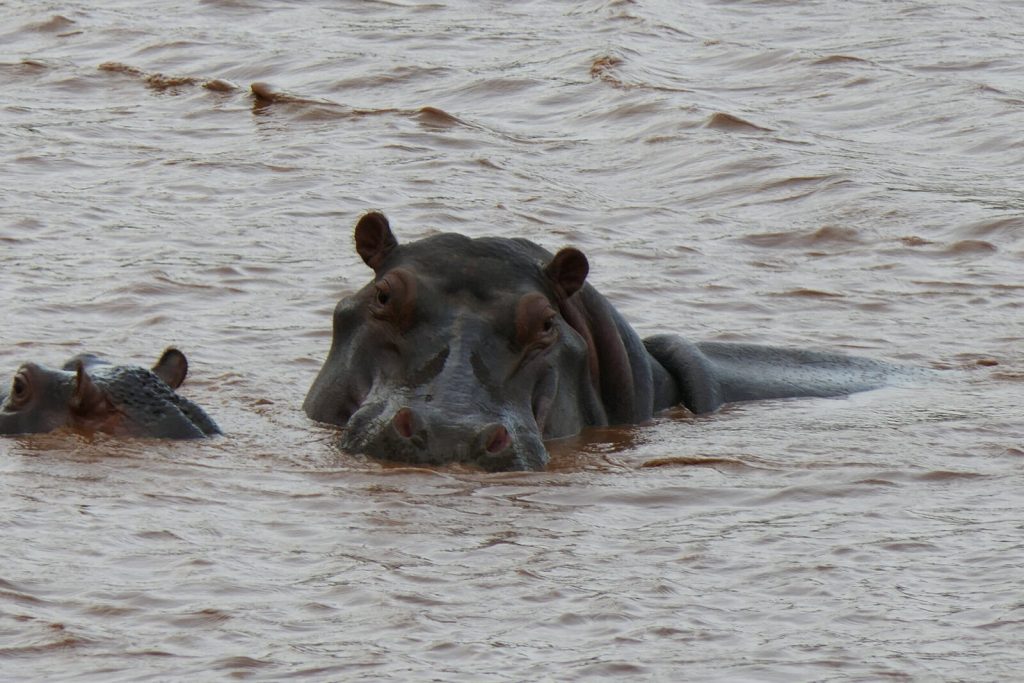
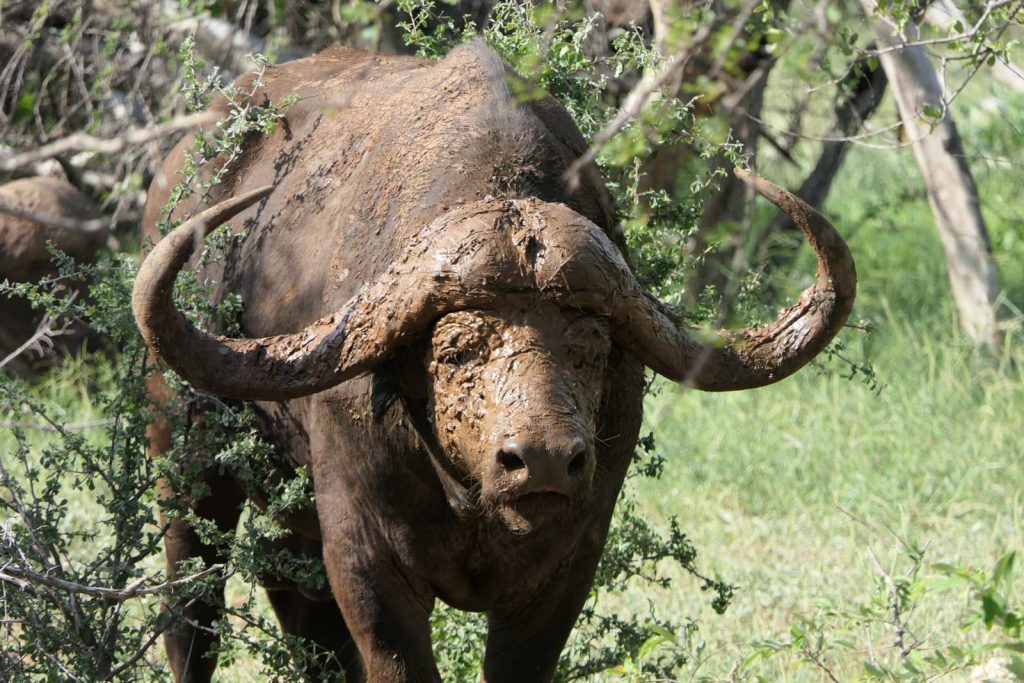
A ‘typical’ day may start with a “reading the morning newspaper” tracking walk with Kersey, John and Lee. We will do this on foot, as a single, small group. This is a special opportunity to orientate you to the types of life directly around the camp, and would include tracks, smaller animals, birdlife, and potentially some of the local antelope species which will be commonly encountered around our rooms. While the CyberTracker system, by necessity for assessing, separates the aspects of track and sign identification from trailing, we will practice the holistic art and science of Tracking, which seamlessly requires us to identify small details in order to interpret behaviours and find animals. Rhino, lion, buffalo and others may visit the small water hole at the camp, and perhaps our first trail could begin right there!

During the afternoon we will probably board our game viewer, and head out onto the reserve to seek out a trail, and, if we run up dry on fresh spoor, we will search for wildlife. Watching animals from the vehicle helps us to understand how they walk, what they do, to recognise their gaits and track patterns, and much, much more. We will be in radio communication with other guides and seek out some of the larger mammals which abound in the region.

These drives can be cool during our winter months, especially around sunset, and can produce some exciting opportunities to view wildlife. We will return after dark, with our spotlight to aid us in our nocturnal search for animals.

Accommodation

Our accommodation is simple and comfortable, in a beautiful little, brick and mortar lodge located on the banks of the Makutswe River, in Eastern South Africa. It is in very close contact with nature in a beautiful ecosystem. The camp is unfenced, and allows for close interaction with a range of wildlife in a big game environment. Black rhino, lion and elephant are just some of the animals we could encounter in camp or when out on our walks. We have three rooms shared across the group so you would need to be prepared not to have a room to yourself.

An example itinerary can be found here.

Getting there:

We provide ground transportation from our pick-up points in Hoedspruit to the reserve and return to the same locations in Hoedspruit, or to Eastgate (HDS) airport in Hoedspruit.

You will need to arrange your own flights to and from Hoedspruit to arrive on the 22nd and leave on 28th June 2028

It is possible that everyone arrives in Hoedspruit on the 21st. We can  be picked up early on the 22nd by Lee and Kersey and maximise our time in the bush. this would involve booking local accommodation in a lodge in Hoedspruit for the night of 21st, the cost of this would not be included in the price of this tour. Should the whole group be willing we could also consider a similar arrangement at the end of the tour. This would allow us to have full day on 28th and then fly out of the Kruger on 29th.

Cost

£2850 per person.

Booking

Please read the following information before booking.

  • Terms & Conditions – by booking on to our courses you agree to our Terms & Conditions
  • See the attached PDF for details of recommended equipment

COURSE DATES 2026

The Tour

This is a unique tour and a collaboration between John Rhyder, Kersey Lawrence and Lee Gutteridge.

Lee, is a certified as a master tracker through CyberTracker Conservation and evaluates in both track and sign and trailing. He is the author of 12 southern African natural history and tracking books to date, is one of only 13 FGASA Scout Guides (the highest guiding qualification that can be earned), as well as being a Specialist guide in Birding, Paleoanthropology and Wild Flowers of Southern Africa.

Kersey, with a PhD from UCONN, and an award-winning teacher, is still the only female Senior Tracker and Trailing Evaluator in the world, and also a qualified South African Field Guide. She evaluates both track and sign and trailing.

John Rhyder who is also senior tracker with CyberTracker Conservation having scored 100% in both track and sign and trailing in specialist evaluations. John is also an evaluator  in both track and sign and trailing.

Lee and Kersey have recently authored this book on Wildlife Trailing. It would be a useful companion to this trip.

Tracking & Trailing Workshops

Overview

Designed for both beginners and those wishing to refine their skills, these courses teach how to interpret track and sign and follow animals in the wild. Practical field experience is combined with theory to give a comprehensive understanding of animal behaviour, spoor recognition, and trailing techniques. Workshops can focus on general wildlife tracking, specific species, or specialised topics such as feathers or bones. In the past we have also tailored workshops for specific organisations.

Course Content

Track and Sign Workshops

Our track and sign workshops, lasting one to three days, teach participants to recognise the traces left by mammals, birds, reptiles, amphibians, and occasionally insects. You will learn about foot morphology, tracks, feeding signs, droppings, resting areas, and other indicators of wildlife presence. Sessions combine classroom theory with practical fieldwork, often across multiple sites, allowing participants to see a wide variety of species in natural settings. These workshops provide a detailed introduction to tracking but are still packed full of information. They are suitable for newcomers or as a refresher for those seeking to deepen their knowledge.

Trailing Workshops

Trailing workshops, also lasting one to three days, focus on following animals in their natural habitats. Participants develop key skills such as spoor recognition, anticipation, alertness, and stealth, while learning to navigate potential hazards safely. The majority of time is spent on the trail, with participants taking turns to lead while learning from observing others. Courses are designed to simulate realistic tracking scenarios, typically focusing on ungulates such as fallow deer, and are limited to small groups to maximise hands-on learning and success.

Advanced Trailing Workshops

Our advanced trailing workshops are designed for experienced trackers who already have a strong understanding of trail-following principles and techniques. These sessions are aimed at participants who have already learned the principles of trail following. It provides an opportunity to refine and extend their skills without revisiting basic concepts. This is ideal for those seeking to consolidate their expertise, push their tracking abilities to the next level, and gain confidence in approaching wildlife.

A group of fallow deer John tracked and found

Fees

The cost of the workshops are variable depending on the duration and the location of the course.

Details

These courses is run by John Rhyder who is certified as a Senior Tracker having scored 100% in both track and sign and trailing in specialist evaluations, the highest assessed level possible in the Cybertracker system. John is also an evaluator for the CyberTracker in both track and sign and trailing.

As part of these workshops, we will spend time outdoors on field trips, the trailing course particularly are entirely outdoors and mostly on the move. This may involve walking for extended periods on uneven ground and being in areas without regular toilet facilities, so a reasonable level of fitness and preparedness is recommended. If you have any questions or would like to discuss this further, please feel free to get in touch.
Booking

Please read the following information before booking:

Please note these are self catered courses, we are not always working from our usual site for our tracking events and so do not normally offer camping. there are some excellent campsites close by which are reasonably priced.

You need to be over 18 years of age to attend this programme.
Course dates 2026

If these courses are full please contact us to be placed on a waiting list for cancellations. Should enough people express an interest we may run extra dates.